Miscanthus - Research on New Ecological Building Materials
Jano Knopp
Miscanthus - Research on New Ecological Building Materials
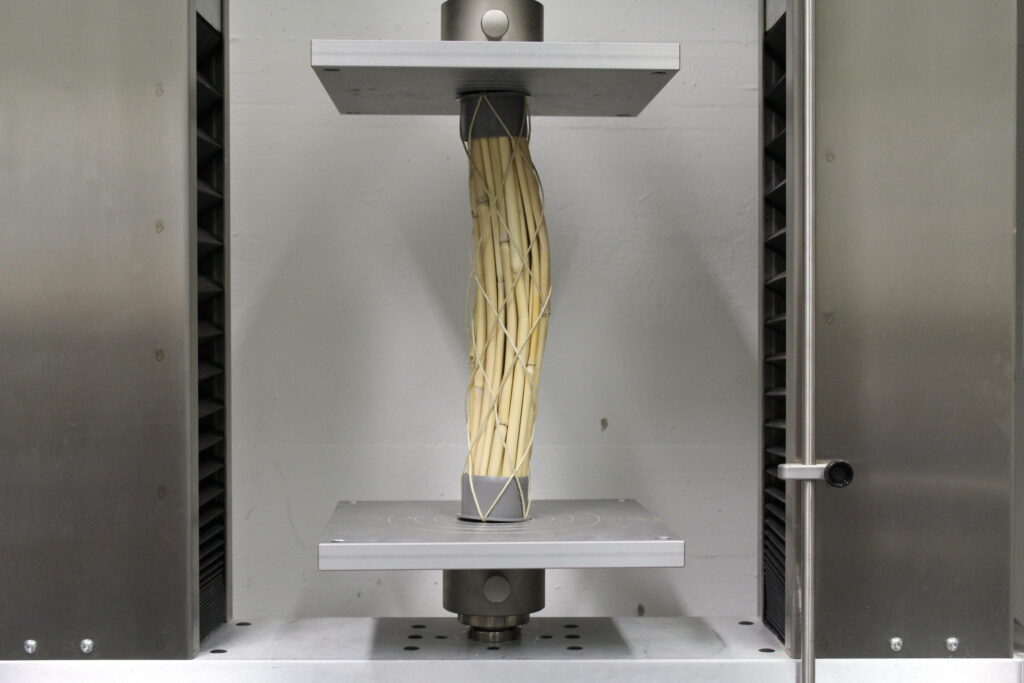
As part of his master’s thesis, Jano Knopp examined the fast-growing giant miscanthus grass from a structural engineering perspective.
The master’s thesis was integrated into a research project of Alanus University in collaboration with the University of Bonn and Bonn-Rhein-Sieg University of Applied Sciences, which investigates the possible uses of miscanthus as a building material.
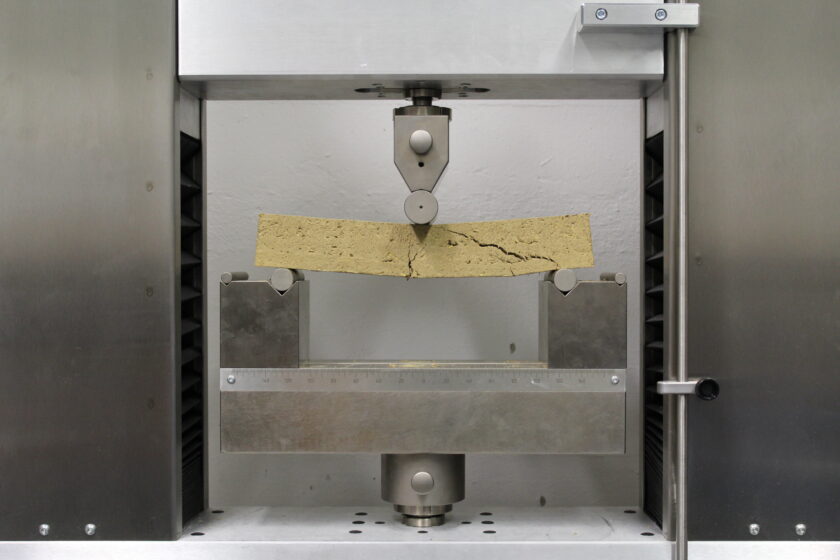
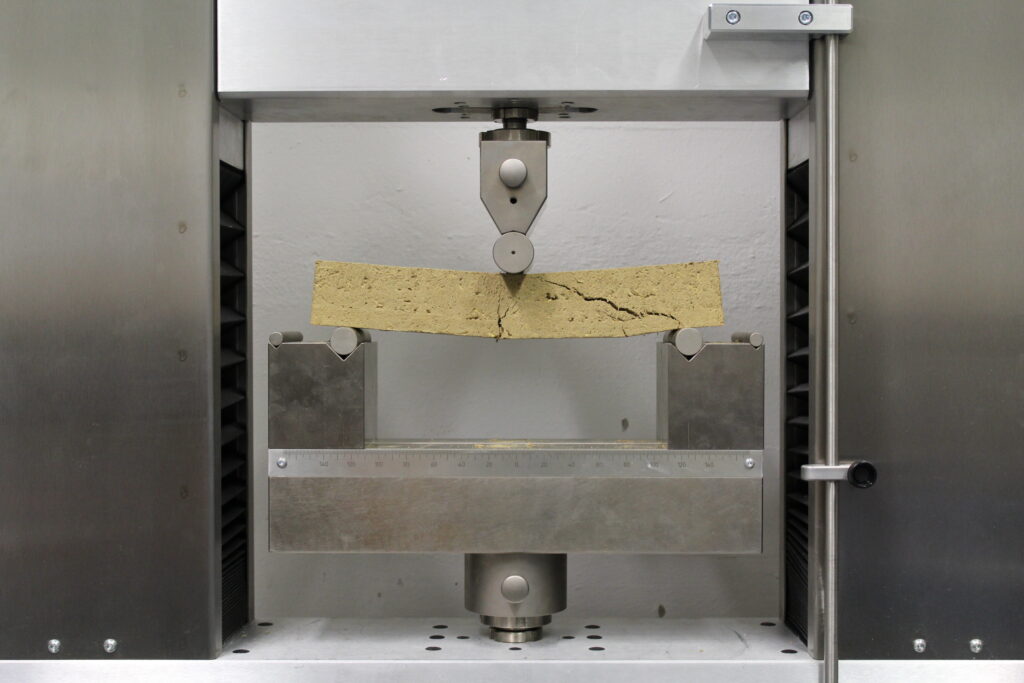
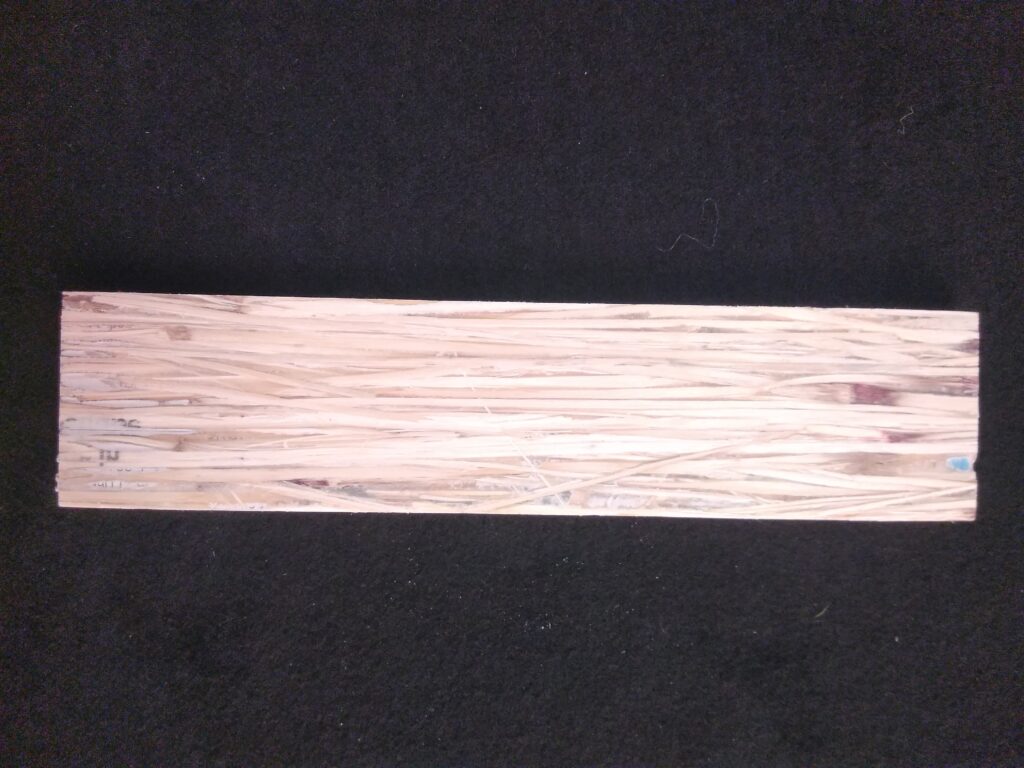
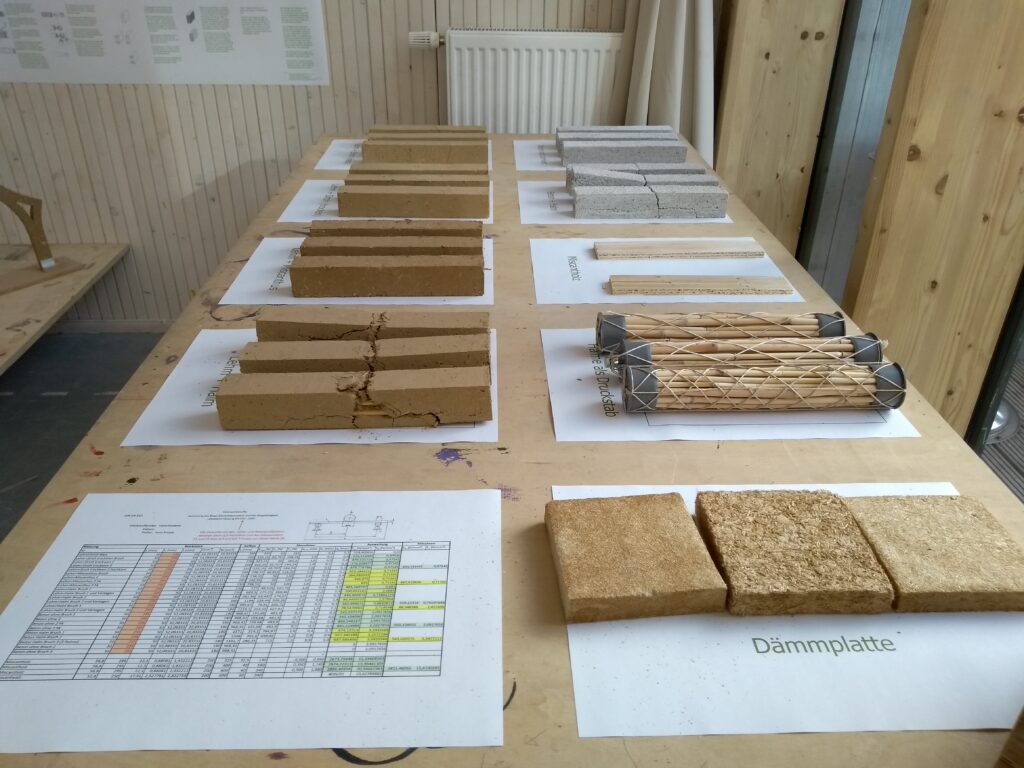
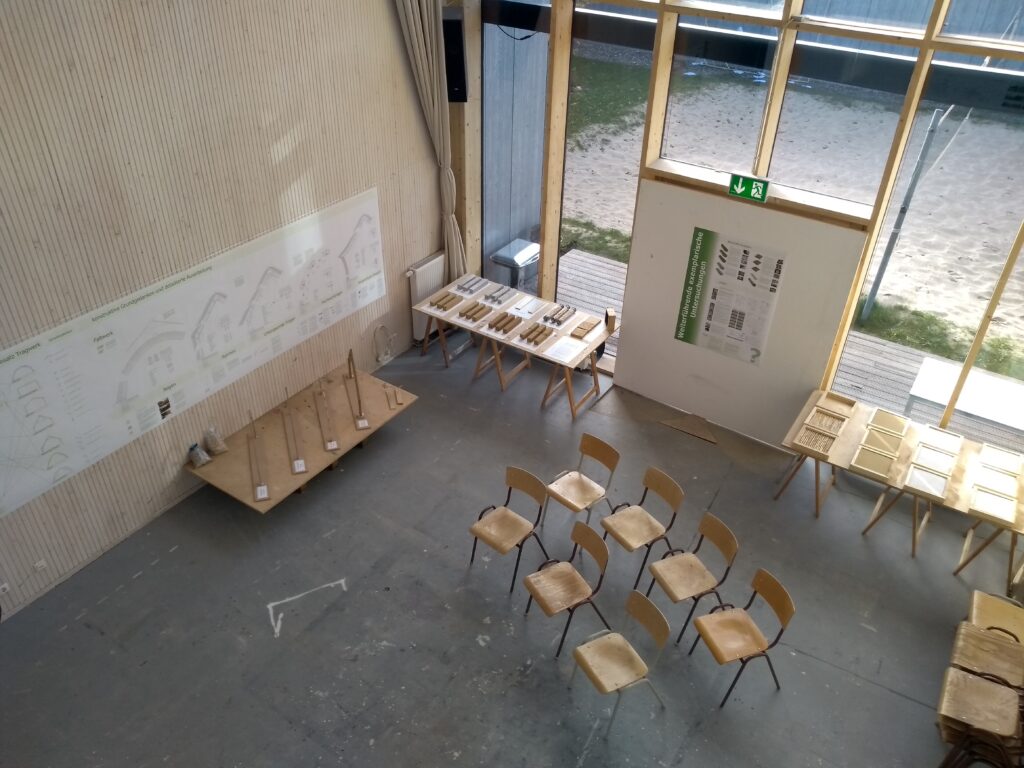
Various binders are being tested to bond miscanthus into a material board (e.g. Ponal white glue, casein glue, bio-based PUR). Initial results with finely shredded miscanthus strips show acceptable mechanical properties, with good bonding and an E-modulus of approx. 2700 N/mm². Similar to soft wood fiberboards, the boards are pressed from a miscanthus pulp into a test specimen. Under pressure, a large proportion of the water is squeezed out and the test specimen is then dried.
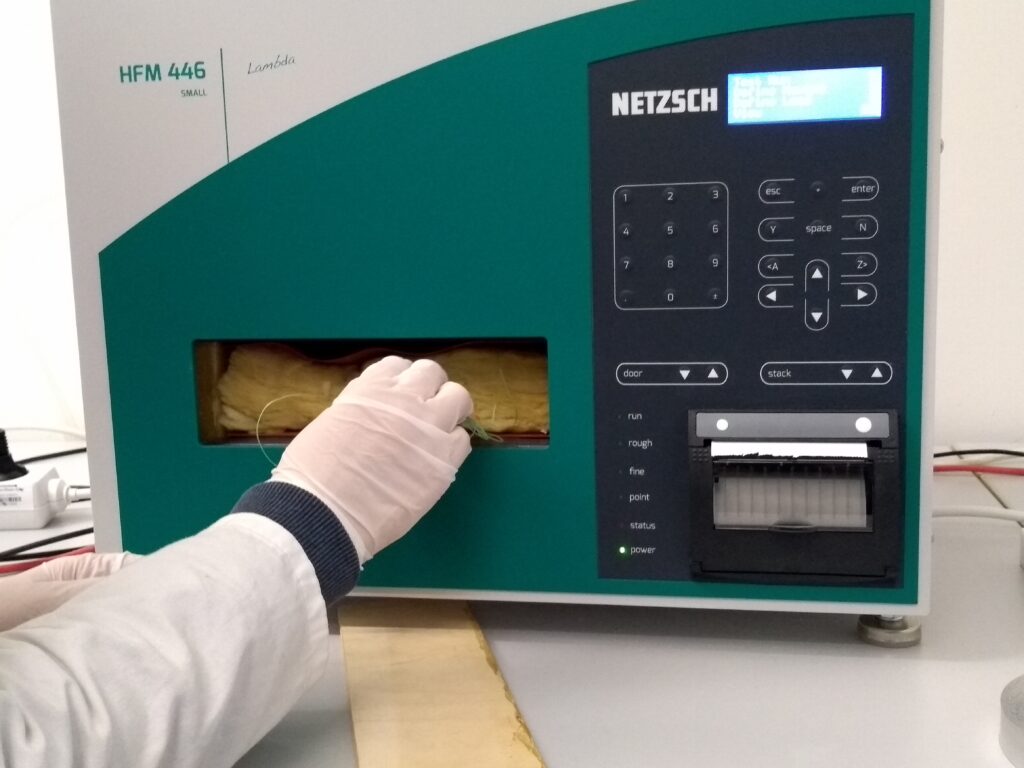
Initial tests demonstrated lambda values of up to 0.066 W/m²K. The boards were dimensionally stable and, at approx. 80 kg/m³, very lightweight. Further formulations and manufacturing processes are currently being tested to improve strength and thermal insulation. Investigation of miscanthus plaster carrier boards For use as plaster carrier boards, a wear-resistant, less absorbent surface is required. In collaboration with Bonn-Rhein-Sieg University of Applied Sciences, research is being conducted into a suitable coating that improves the surface accordingly. In addition to the insulation boards, simple miscanthus mats were also tested as a plaster substrate. In small sample frames, the mats were plastered in various arrangements with lime-cement, gypsum, and clay plaster and reinforced with a jute fabric.
All three products examined showed good adhesion to the material. Clay plaster as an ecological building material is particularly interesting. The company CLAYTEC, the international market-leading manufacturer of clay building materials, was brought on board as a project partner and will support the research project with its expertise and material provision. These and further ideas were developed in Jano Knopp’s master’s thesis. Further in-depth work will follow in future research.
Projecttype
Master’s thesis
Design author
Jano Knopp
Supervisor
Prof. Dr. Mathias Wirths