Participatory Research on Inclusive Education
09.02.2026 - Project between Alanus Professor Dr. Ulrike Barth and student Charlotte Henning.
Project between Alanus Professor Dr. Ulrike Barth and student Charlotte Henning.
How can inclusive education be implemented concretely in vocational training and higher education, beyond theoretical concepts? This question is the focus of a participatory research project at the Mannheim Study Center of Alanus University of Arts and Social Sciences. What makes the project special is that Charlotte Henning, a school student, is involved as an equal researcher. Aspects of the project have now been published in the study volume “Disability as an Experienced Barrier.”
Together with the Mannheim Study Center of Alanus University, Charlotte Henning, a student at the Freie Fachschule für Sozialpädagogik Mannheim, is investigating how inclusive educational pathways in (social) pedagogy can be designed. Henning lives with trisomy 21 and is pursuing the goal of being able to work as a pedagogical assistant – a career path for which there are still hardly any inclusive qualification opportunities in Germany. The project is being academically supervised by Dr. Ulrike Barth, Professor of Transformative and Inclusive Education at Alanus University.
The focus of the research is on the perspective of lived experience: What structural barriers exist in vocational training and higher education? And how can transitions into regular employment be made more inclusive? “Inclusive education can only succeed if people with disabilities are not the object of research, but are actively involved as holders of knowledge and experience in the development of training structures,” says Prof. Dr. Ulrike Barth. “The project with Charlotte Henning shows very concretely how universities can take responsibility for structural change.”
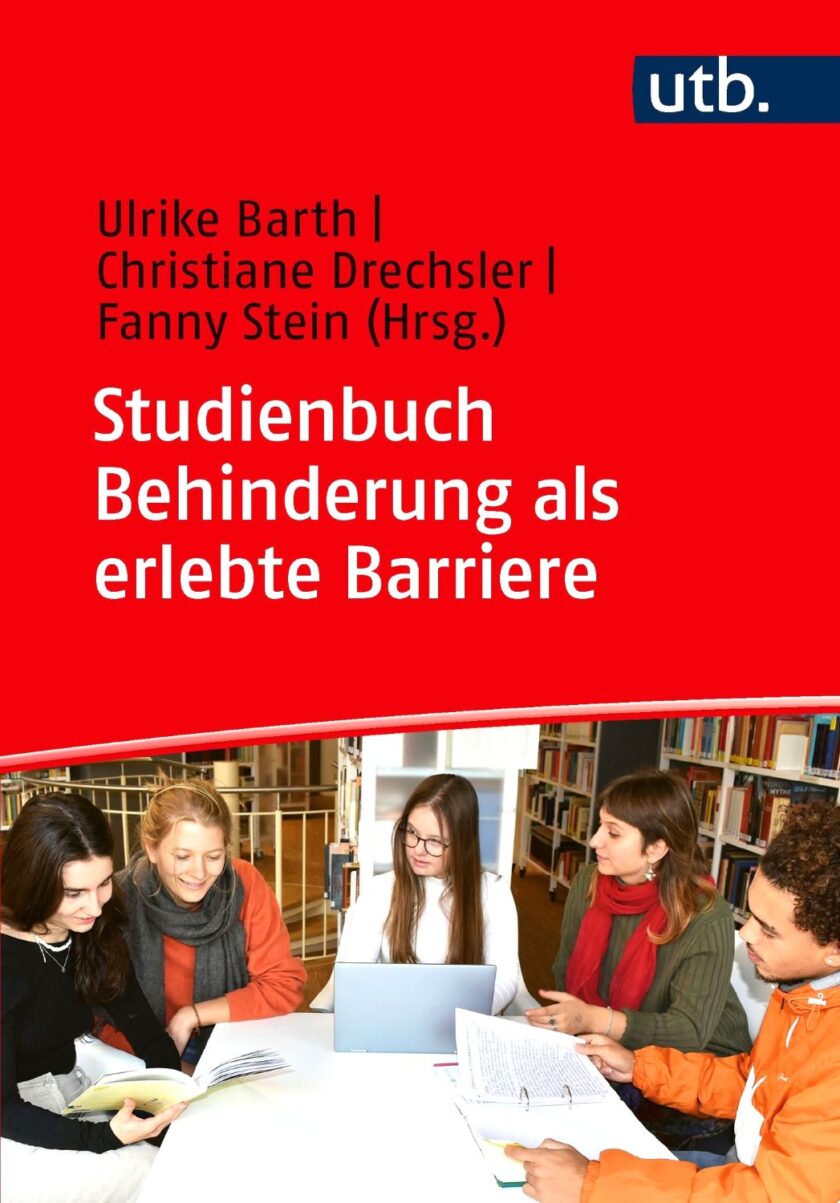
The current project findings have now been published in the study volume “Disability as an Experienced Barrier – Anthroposophic Curative Education: Foundations and Implementation” (Julius Klinkhardt Publishers). This anchors participatory research and inclusive qualification pathways in a central academic context. Charlotte Henning and Prof. Dr. Ulrike Barth also regularly present their work together in professional and academic contexts, including at conferences. In addition, the project has been taken up in workshops, lectures, and cross-university exchange formats – including at the University of the Federal Employment Agency in Mannheim and in courses at Alanus University, which Charlotte Henning helps shape. International perspectives are also incorporated, for example through an invitation to an Erasmus Blended Intensive Program at Salzburg University of Education on the topic of Inclusive Post-Secondary Education.
The project illustrates the potential of participatory research for the further development of inclusive educational structures. In an education system in which, despite the UN Convention on the Rights of Persons with Disabilities, workshops continue to shape the professional lives of many people with disabilities, the research formulates a clear mandate for action – including for universities. The response from academia, students, and practice shows: inclusive education requires not only concepts, but also concrete participation and structural change.
More about the work of Charlotte Henning can be seen in the ZDF report “Building Strength for Inclusion”.
On the book publication: Study volume “Disability as an Experienced Barrier – Anthroposophic Curative Education: Foundations and Implementation” (Julius Klinkhardt Publishers)